About us
A+ specializes in the development, construction, participant engagement and operation of Specialist Disability Accommodation (SDA).
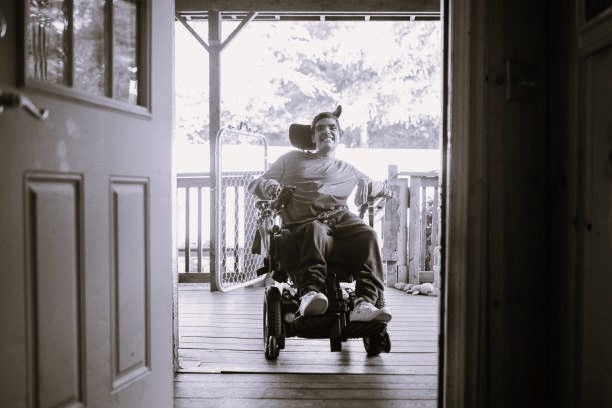
We take a participant led focus to provide what participants are looking for in a home, maximize engagement and reduce tenancy risk. We will create feasible projects based on participant need in locations that are identified as preferable. We will create feasible projects at the outset and reduce risk, and unnecessary costs.
We have combined expertise with project management, architecture and construction expertise and occupational therapy input into all aspects of environmental design, social models, support models and individual function.
Our focus is to go beyond the standards to apply best practice guidelines to enable superior outcomes for all involved.
Our process is what sets us apart. We engage with participants in decision making regarding the design of their home. Due to our engagement with occupational therapists, our participant tenants will have a have a smoother transition into their new homes.
Our services
We provide expertise services in experienced SDA architecture, occupational therapy & construction management

Site Feasibility and Procurement

Planning and Participant Led Design

Project Management & Construction Delivery

NDIS Participant Engagement

SDA Housing Management
Why A+
A different approach - innovative architecture and a new method of housing construction.
We concentrate on using innovative architecture and natural building materials and a new method of housing construction that can means our product can be built in less than a third of the time of a conventional house.
Contact usIndustry
Our Partners
Our Partners share the journey with us. They understand that delivery of accessibility outcomes are based on an understanding of the symbiotic relationship between people with mobility needs and the built environment.